Three materials dominate outdoor furniture, and each one's sales pitch survives a different climate. The honest comparison is not which material is best — it is which material is best for your weather, your maintenance appetite and your budget. Here is the full breakdown, from a furniture desk that has watched all three age.
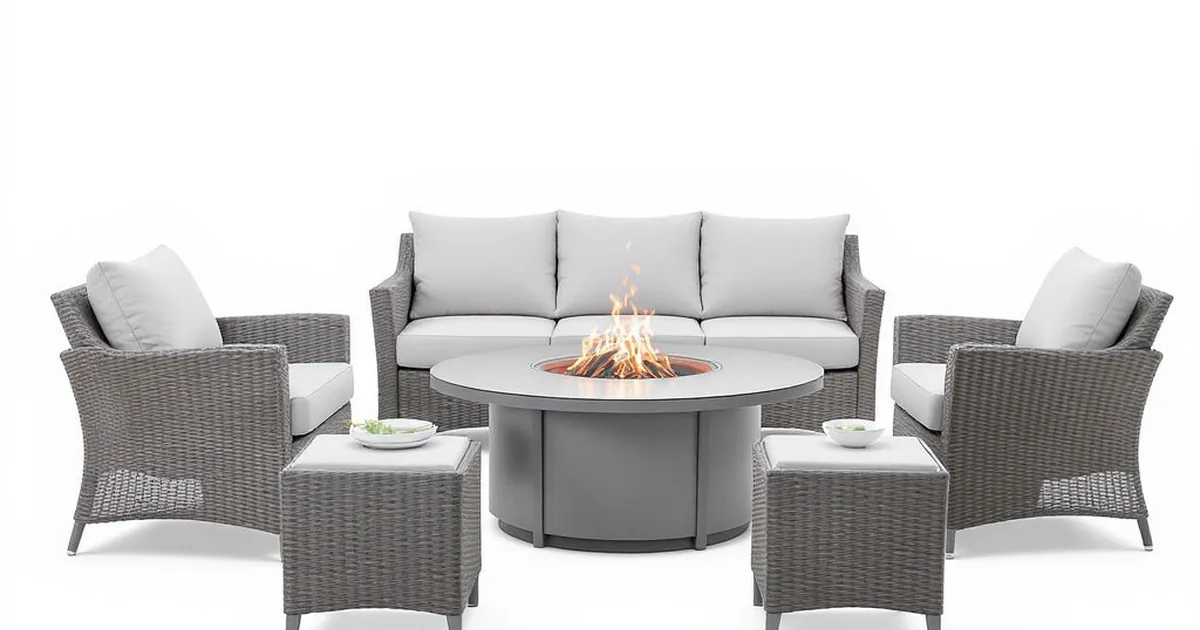
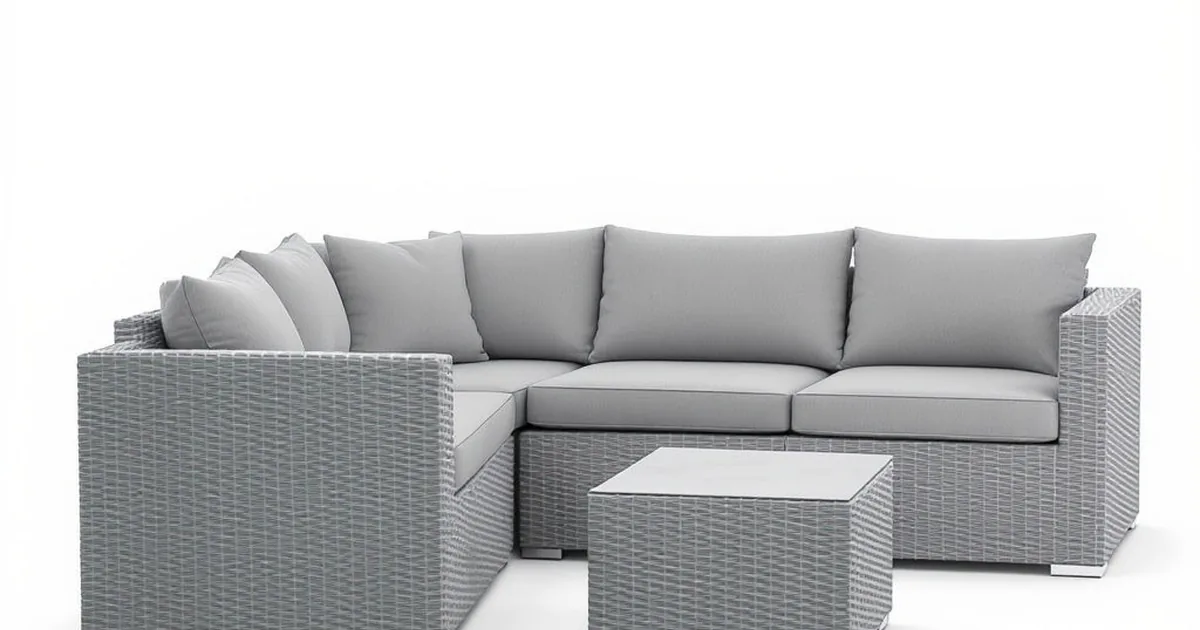
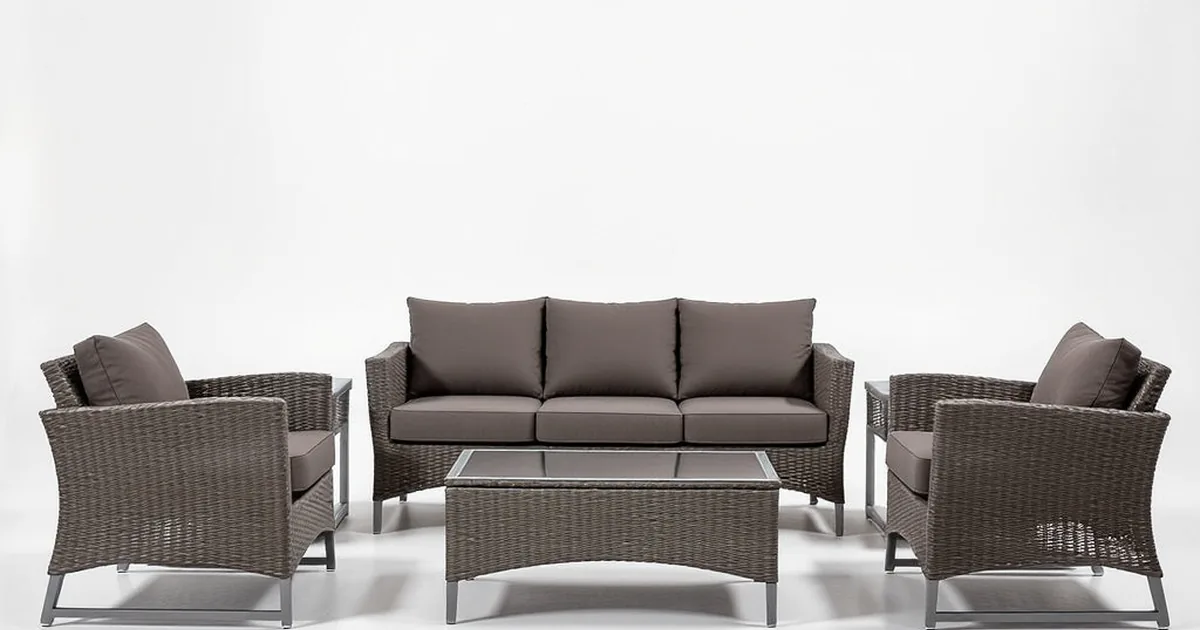
Modern "rattan" furniture is usually resin wicker woven over an aluminum or steel frame — and that construction is its genius. The weave flexes instead of cracking, the resin laughs at rain, and a quality set cleans with dish soap and a hose. The failure points are real but predictable: cheap sets use thin weave that snags and unfurls at the corners, and dark weaves in full sun can heat enough to make sitting a surprise. Our rattan and wicker sets use tight, flat-weave rattan over powder-coated frames — the combination that handles a real winter under a furniture cover.
Expect 5–10 years from a quality resin rattan set, longer if cushions are stored. Maintenance: a hose-down monthly in season, a soft brush for the weave's crevices, and covers or indoor storage in winter. Never pressure-wash rattan — the jet finds the weave's edges and lifts them.
Steel and aluminum frames with powder coating are the most weather-proof furniture material in common use: the coating is baked on, not painted on, so it does not chip into rust the way wet paint does. Aluminum adds the bonus of never rusting at all; powder-coated steel adds heft that matters in wind. Our metal garden sets — from the matte black minimalist to the wrought-iron bistro — are built for uncovered patios and four-season exposure.
Expect 10+ years. Maintenance is nearly nothing: wipe down, touch up deep scratches with clear enamel to keep moisture out of the steel, and check the feet — the only place frames meet standing water. Metal's honest weakness: it gets hot in direct sun (dark frames especially) and it offers no natural warmth without cushions.
Wood is the only outdoor material that improves with attention and ages visibly without it. Teak is the gold standard — its natural oils make it the most weather-proof wood in furniture — but acacia, eucalyptus and treated hardwoods deliver the look at friendlier prices. Our Adirondack-style wooden sets use natural and cedar finishes built for porch life: warm to the touch, comfortable without cushions, and repairable with sandpaper and oil.
Expect 10–20 years from well-kept hardwood — the longest lifespan here, conditional on the upkeep. The routine: annual sanding and oiling (a weekend afternoon), covers or covered placement, and feet that never sit in pooled water. Skip the oil and the wood silvers, dries and checks — still usable, never again new.
Rattan: 5–10 years, hose-clean maintenance, best for covered or semi-covered patios, mid-range cost.
Powder-coated metal: 10+ years, near-zero maintenance, best for open sky and wind, mid-to-high cost.
Wood: 10–20 years with annual care, best for covered spaces and warm aesthetics, highest care commitment.
Two climates bend the comparison. High-wind sites (rooftop terraces, coastal decks) punish light pieces — resin rattan on aluminum frames can walk; powder-coated steel's heft becomes a feature, or rattan must anchor down. Salt air is the second filter: it corrodes any steel that loses its coating and dries untreated wood fast. Coastal buyers should favor aluminum frames and teak-class hardwoods, rinse everything monthly, and treat the annual touch-up as non-negotiable. Inland and sheltered patios can buy on looks and budget with far less risk.
Let three questions decide. How exposed is the space? Open sky pushes you to metal; cover makes everything viable. How much maintenance will you actually do — honestly? If the answer is none, metal or rattan; if you enjoy it, wood rewards like nothing else. What sits around the set? A modern composite deck pairs with metal and rattan; a brick porch and garden borders flatter wood. Match the material to the answers, not the catalog photo — and when two materials tie, buy the one whose cushions and frames you can replace locally in five years.
There is no best material — there is a best-matched one. Rattan for the covered patio that wants softness, metal for the open patio that wants to be forgotten until spring, wood for the porch owner who enjoys an annual ritual. Choose by climate first, care second, cost third, and the set will outlast the trend that sold it.