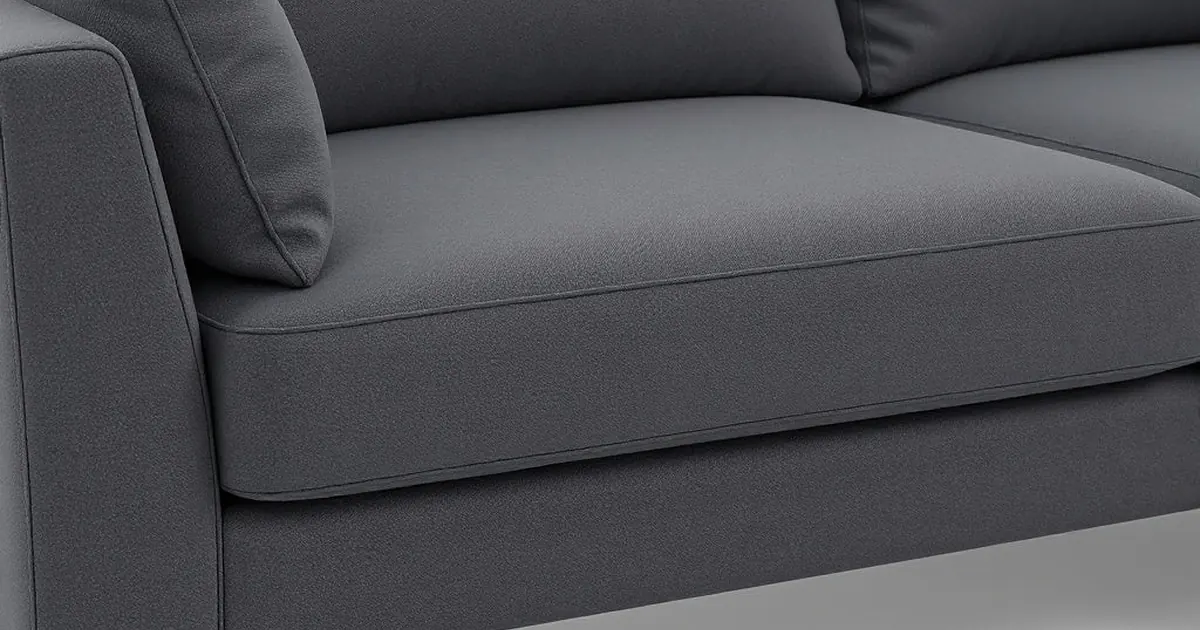
Cushions are the first thing to fail on an outdoor set — not the frame, not the weave. Sun bleaches them, rain mildews them, and one winter in a damp shed can flatten two seasons of life. The good news: cushion care is a calendar, not a chore. Here is the season-by-season routine that doubles fabric life, plus the rescue remedies for the damage that already happened.
Start the season with a full clean, before the first afternoon you actually want to sit down. Remove covers where zips allow and machine-wash cool on gentle; hand-wash fixed covers in place with dish soap and warm water. Rinse thoroughly — soap residue attracts dirt — and dry completely before the cushions return to the set. This is also the moment to inspect: seams that pulled, zips that corroded, foam that shifted. Our modular sets use zip-off covers precisely because washable beats replaceable.
Grey or black specks on fabric or a musty smell means mildew spores made it through winter. Kill it with a 1:3 white vinegar and water spray, leave for 15 minutes, scrub with a soft brush, rinse, dry in full sun. Never bleach solution-dyed acrylic — it strips the finish around the stain and leaves a pale patch worse than the mildew.
Sun, not rain, is the quieter killer — UV breaks down fabric fibers and fades dye slowly, invisibly, every clear day. Three habits fight it. First: rotate and flip cushions weekly so fading stays even. Second: when the set is not in use for days, cover it or move cushions to shade — a storage box pays for itself in one season. Third: a fabric UV-protectant spray each June adds a sacrificial layer that washes away instead of the dye. Our rattan sets ship with UV-rated polyester blends; the spray simply extends what the rating promises.
Most cushion cores are foam, and foam holds water the way a sponge means it. After rain: stand cushions on edge, unzip where possible, and let air move through them. A cushion left flat and wet grows mildew from the inside out — the stain you see in week three started in the hour after the storm. If a set lives in a rain-heavy climate, consider quick-dry foam upgrades or bringing cushions in overnight; the daybed's quick-dry construction exists for exactly this trade-off.
Cushions stored dirty grow mildew; cushions stored clean and dry come back in spring looking new. Vacuum or brush off every surface, wash as in spring, and — the step everyone skips — dry for a full 48 hours in sun before storage. Any dampness sealed in a box becomes a spring surprise. Store in breathable containers: a ventilated deck box or cotton bags indoors. Plastic bags trap condensation and undo the whole routine.
Cushions indoors or in a box, the frames still face the season. Hose down rattan and metal, let dry, and cover with breathable furniture covers — plastic tarps sweat and hand the season's moisture to the frame. Wood wants its annual oil before covering. Check the set monthly: a cover that filled with water, a foot sitting in an ice puddle, a wind-flipped chair — each is a two-minute fix in December and a repair in March.
Faded fabric: fabric dye sprays and outdoor-rated paint can refresh solid-color covers; patterned fabric is usually a replacement conversation.
Flattened foam: unzip and add a foam topper layer — a $15 fix that revives a season of sitting.
Rusty water stains on fabric: lemon juice and salt paste, sun-dried, then rinse — repeat twice for stubborn rings.
Mildew smell without visible mildew: the foam is damp inside; stand in sun for two days and spray the vinegar mix into the zip opening.
Frame materials decide how long a set lasts; cushion care decides how long it looks like the photo you bought. A spring wash, a summer reflex, an autumn deep-clean and a breathable winter box — four habits, maybe four hours a year, and the set you bought still looks like the set you bought in year five.