Winter does not damage outdoor furniture equally — it damages the shortcuts. A covered rattan set sails through frost; a tarp-wrapped one grows mold. Cushions left on frames are ruined by February; frames left bare are usually fine. Here is the honest winter playbook by material and piece, including what genuinely does not need your help.
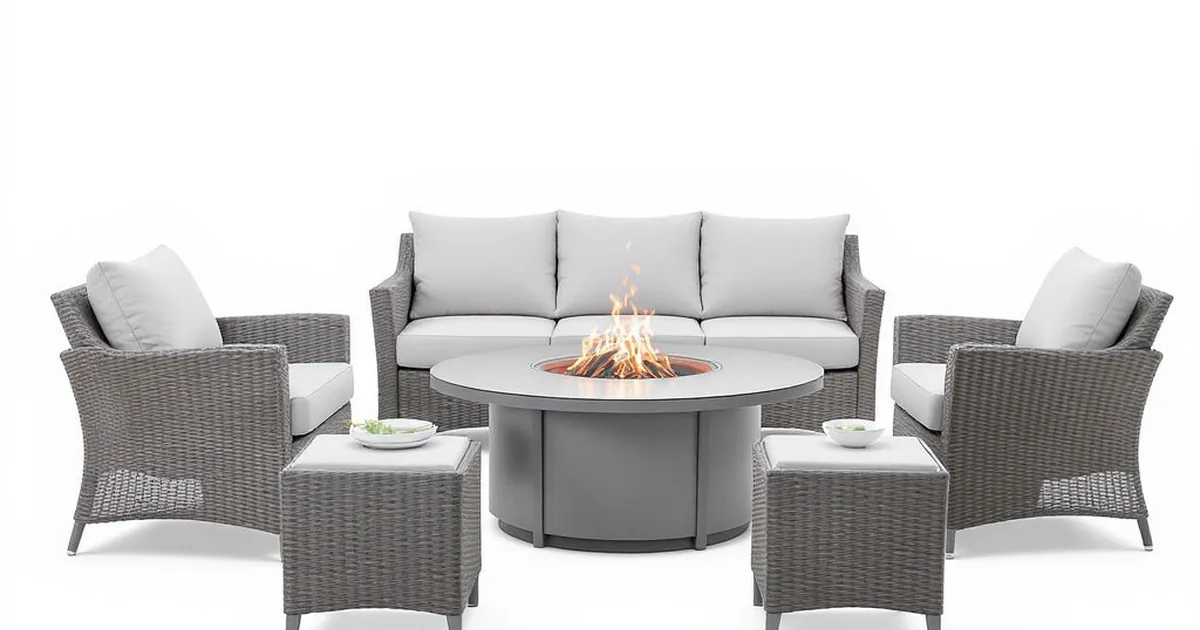
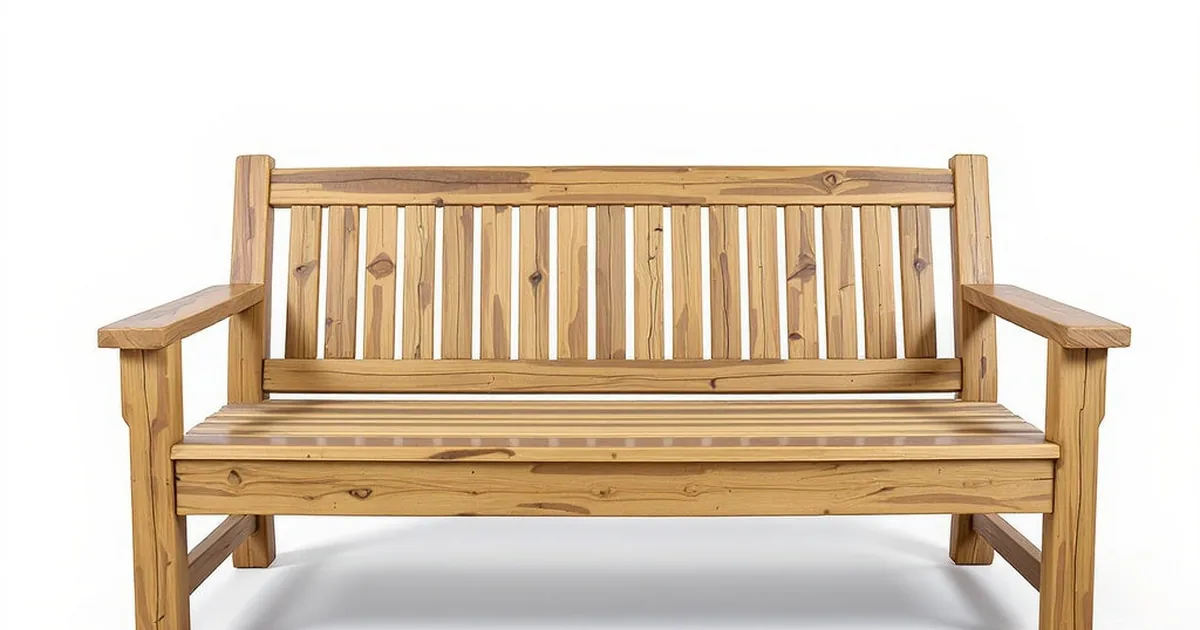
Powder-coated metal frames are the hardiest material on patios — our powder-coated steel and wrought-iron sets can winter outside under a breathable cover with their feet clear of standing water. Resin rattan weaves also tolerate covered storage outdoors, though their frames last longer dry. Wood is the material that wants help: freeze-thaw cycles split end grain and lift finish, so wooden sets — including our Adirondack-style pieces — want covers, a shed, or at minimum an oiled finish before the first frost.
A cover's job is to block rain and sun while letting moisture escape — breathable polyester covers win; plastic tarps lose by trapping condensation against the frame. Fit matters as much as fabric: a cover that pools rain becomes a pond, so use covers with tie-downs and support poles or air vents, and prop the center so water sheds. Check monthly — a wind-shifted cover or an ice-dammed puddle is a two-minute fix in January and a rust or mold problem in March.
Every cushion — regardless of fabric rating — comes indoors or into a sealed deck box for winter. UV-rated and water-resistant fabrics survive summer weather; no fabric survives three frozen, damp months compressed under snow. The routine: deep clean in autumn (the full method is in our cushion care guide), dry for 48 hours, then store in breathable cotton bags or ventilated boxes — never sealed plastic, which traps the damp that mildews. A heated floor space beats a shed; a dry shed beats a garage with a car dripping road salt.
Dining tables: clean, dry, cover or store glass-topped tables — glass and freeze-thaw disagree.
Umbrellas: close, dry, store horizontally indoors; the crank mechanism is the first casualty of frost.
Fire pits and chimineas: empty ash, cover; cast iron wants a light oiling to prevent surface rust.
Daybeds and loungers: cushions out, frames covered; the daybed's steel frame winters fine, its fabric roof does not.
Small side tables: stack and store — they are light, and their finish suffers most from standing water.
Uncover after the last frost, not the first warm day — a late April snowstorm is a normal event in half the country. Hose down frames, wash the winter grime before it bakes in, check fasteners (a season of freeze-thaw loosens bolts), and touch up any powder-coat scratches with clear enamel before moisture finds the steel. Cushions come out of storage the same weekend: air them in sun for an afternoon, inspect for mildew, and the set is ready for the season it was built for.
Learned from spring service calls, in order of frequency. Cushions left on frames "just for the weekend" in November — found mildewed in March. Plastic tarps wrapped tight — condensation molds the weave they meant to protect. Covers without tie-downs — one storm, and the cover is two gardens over. Wooden furniture uncovered with its feet in soil — the end grain wicks moisture all winter and splits by thaw. And the skipped autumn clean — dirt left on frames through winter bakes into stains that no spring wash lifts. Each mistake costs minutes to avoid and a season of use to regret.
Mild-winter regions (coastal South, Southwest) can run a lighter routine: covers optional for metal and rattan, cushions stored only in the wettest weeks, and the annual deep-clean moved to whenever the rainy season ends. Hard-freeze regions run the full playbook — and should treat furniture feet and planter drainage as the difference between a set that lasts ten years and one that heaves apart in two winters.
Winter care is not one rule — it is three: cushions always in, frames covered breathable, wood oiled before frost. Do those and the set you covered in November looks like the set you bought by the first barbecue of May.